

This isn’t like other posts I’ve written so far. It’s not about software, university, or a job. This time I’m writing about shaving, something that most men in the world do for their entire lives.
So you might wonder: what are safety razors? Most people use electric razors (shavers) or cartridge razors. When I just started shaving, I used disposable razors but realized that it created too much waste while the shaving experience wasn’t good. I could go for shavers or cartridge razors, but they seemed to be too expensive.
Then I found safety razors on the internet. In brief, safety razors are similar to cartridge razors, but it only has one blade which is not enclosed in a plastic case. It’s also less protective and it takes more time to shave than shavers and cartridge razors, which is why it was replaced by those two in modern days. Thus, when people use safety razors, they have specific reasons to do so.
Why do people use safety razors?
Modern shavers or cartridge razors come with technologies that cut your hair as much as possible. The issue is that they sometimes cut too much. When razors pull hair and cut it, they actually cut part of the hair that was below the skin. Sometimes the hair fails to grow out of the hair follicle and gets stuck in it. This is what we call ingrown hair, which causes inflammation and severe itching. Safety razors are free from this problem because they don’t pull the hair when they cut it. However, this also means that it will leave some hair visible after you shave, which is a trade-off. I’ve had skin troubles since I was very young, and ingrown hair was too annoying to deal with especially when it came with pimples on my face. After switching to safety razors, I’ve had fewer issues with skin troubles on face.
On the UX side, shaving with safety razors is more fun compared to other types of razors. It’s like Vim: it’s not beginner-friendly but once you get used to it, it gives a better experience compared to other types of razors. Because it’s easy to cut your skin with safety razors, everyone accidentally cut their skin in the beginning and even experienced people make that mistake sometimes. But once you get experienced, shaving with safety razors is quite fun because you have complete control over shaving. It’s also more convenient when you need fine control over the hair. For example, removing hairs around the lips is much easier with safety razors over cartridge and disposable razors because you only need to care about one blade, not layers of blades.
The cost-effectiveness of safety razors is controversial. Of course, the minimum initial setup requires a safety razor, blades, aftershave (or an alum block), a shaving brush, shaving soap, and a shaving mug. My initial setup costed over $400. However, razor blades for safety razors are extremely cheap compared to the ones for cartridge razors or disposable razors. You can buy ten of them at $6 in Canada and each blade can be used several times. In the last one year, I only spent $25 on razor blades.
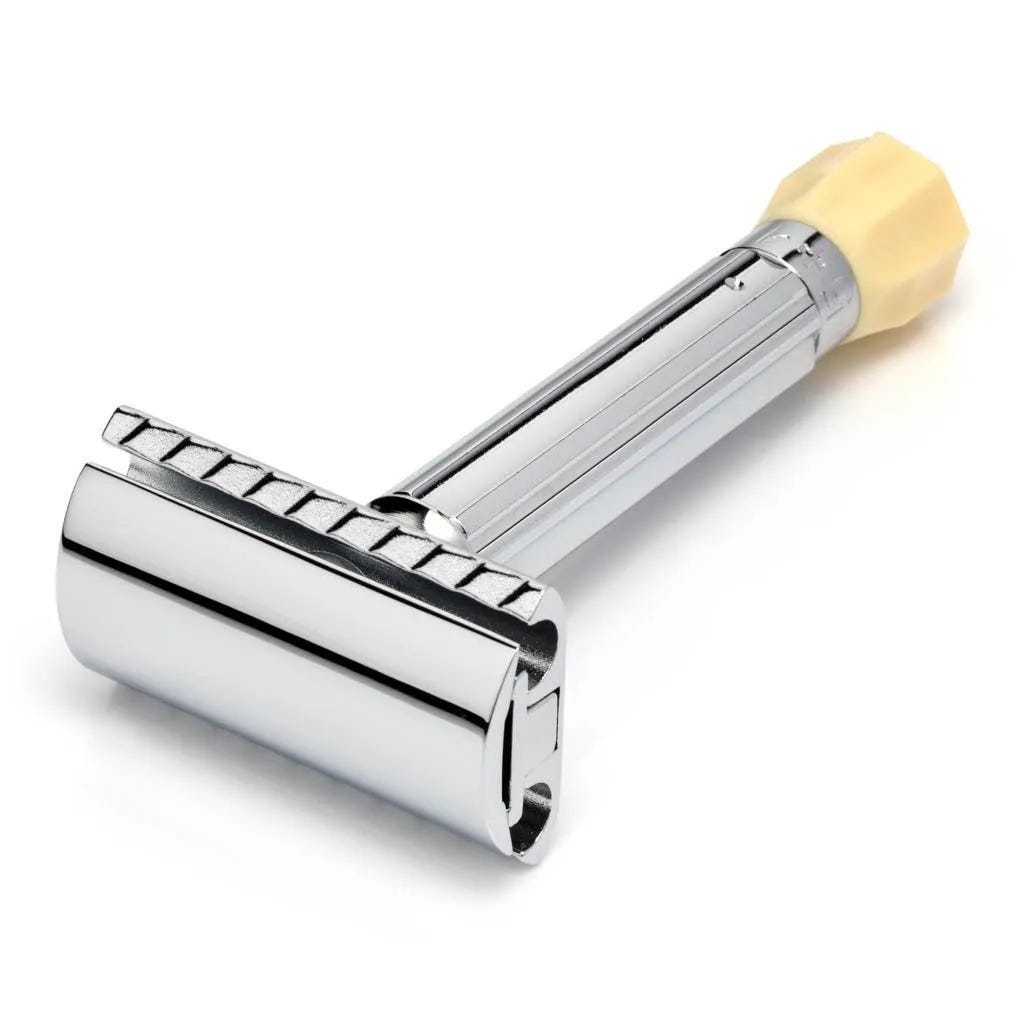
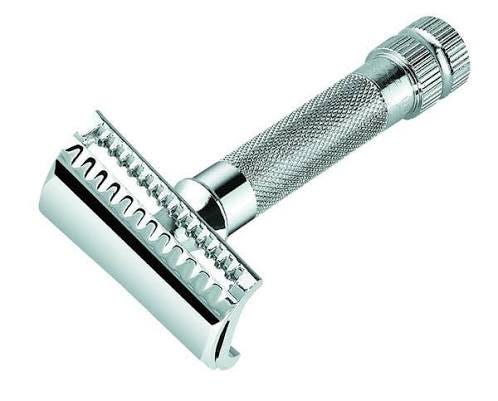
Safety razors and shaving brushes are expensive, but you can use them forever if they are kept in good maintenance. I started with Merkur Progress 500 because it has configurable aggressiveness and I didn’t know the proper aggressiveness for my skin. I settled with aggressiveness between 2 and 3 (5 is the maximum) and have enjoyed it for the past one year. Unfortunately, I didn’t know how to maintain it properly, so the threading got rusty and loose and it ended up being unusable. As my second safety razor, I was considering between Merkur 37C and Muhle R41 but chose Merkur 37C because people said R41 is too aggressive while my blades from Feather is already one the most aggressive blades in the world. So I ordered 37C a few days ago and it arrived today. It gave me a better shaving experience over the Progress 500. Unlike Progress 500, 37C is a slanted razor, so it requires less force to shave. In other words, it requires fine control so usually it’s not recommended for beginners. Moreover, 37C is an open-comb razor, so cleaning up the remaining shaving soap and hair on the razor is much easier compared to closed-comb razors like Progress 500.
Safety razors are also good for the environment compared to others because they don’t have any plastic components. Also the only thing that you need to dispose of regularly are razor blades which are just a piece of metal.
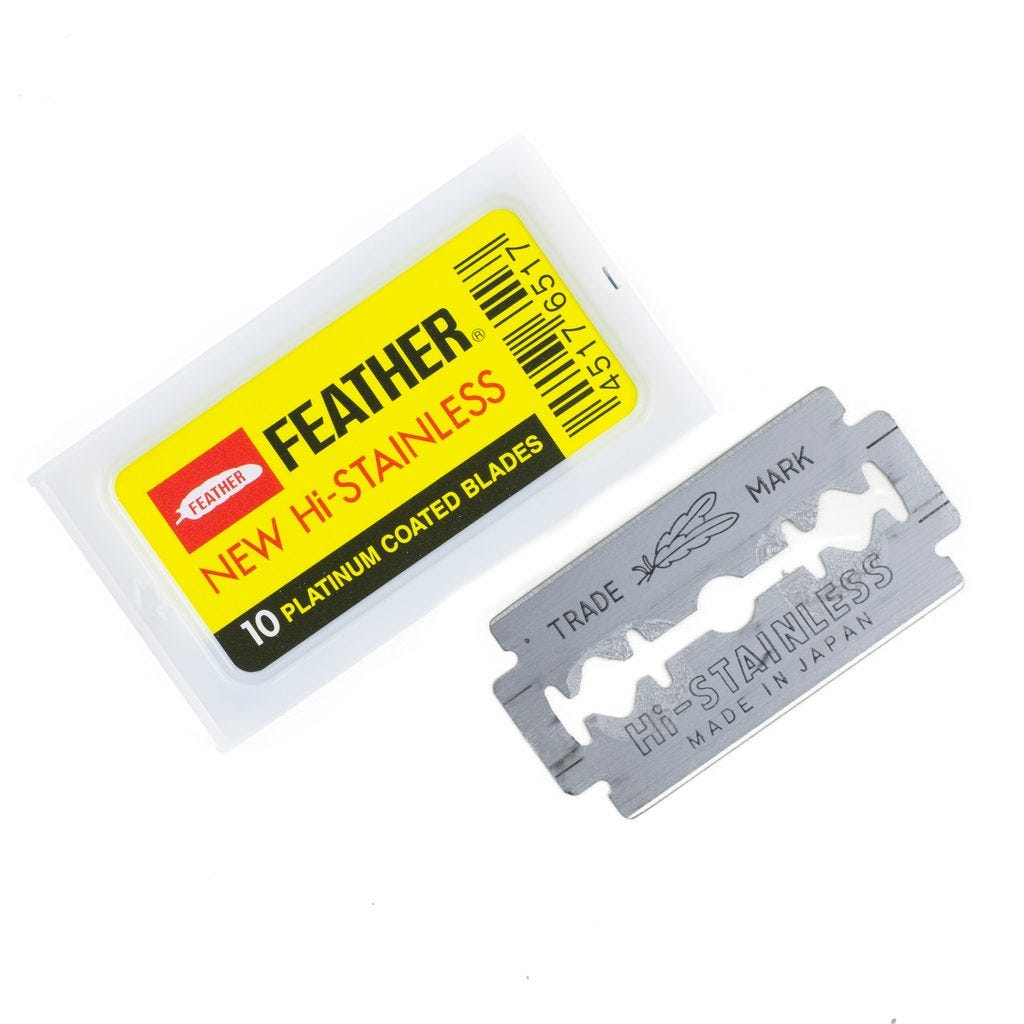
Roadmap for shaving
I’ll keep using Merkur 37C for a few more years as I’m very satisfied with it. When it breaks, I’ll switch to Muhle R41 or a straight razor if I feel I need more aggressiveness for shaving.
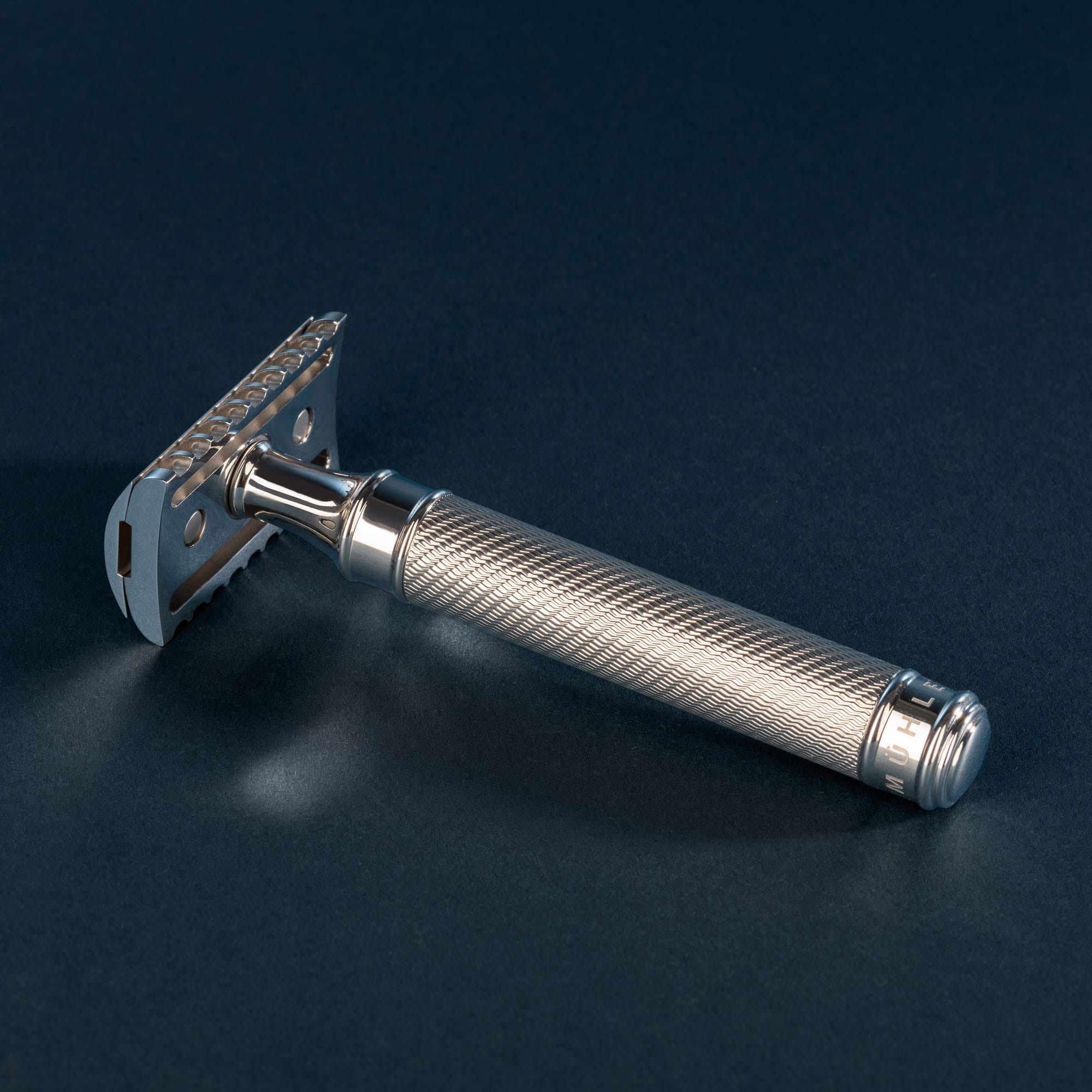
In other words, you won’t see this type of article for a while.