Physics Is Not a Sprint
Yet we keep training marathon runners for the 100-meter dash
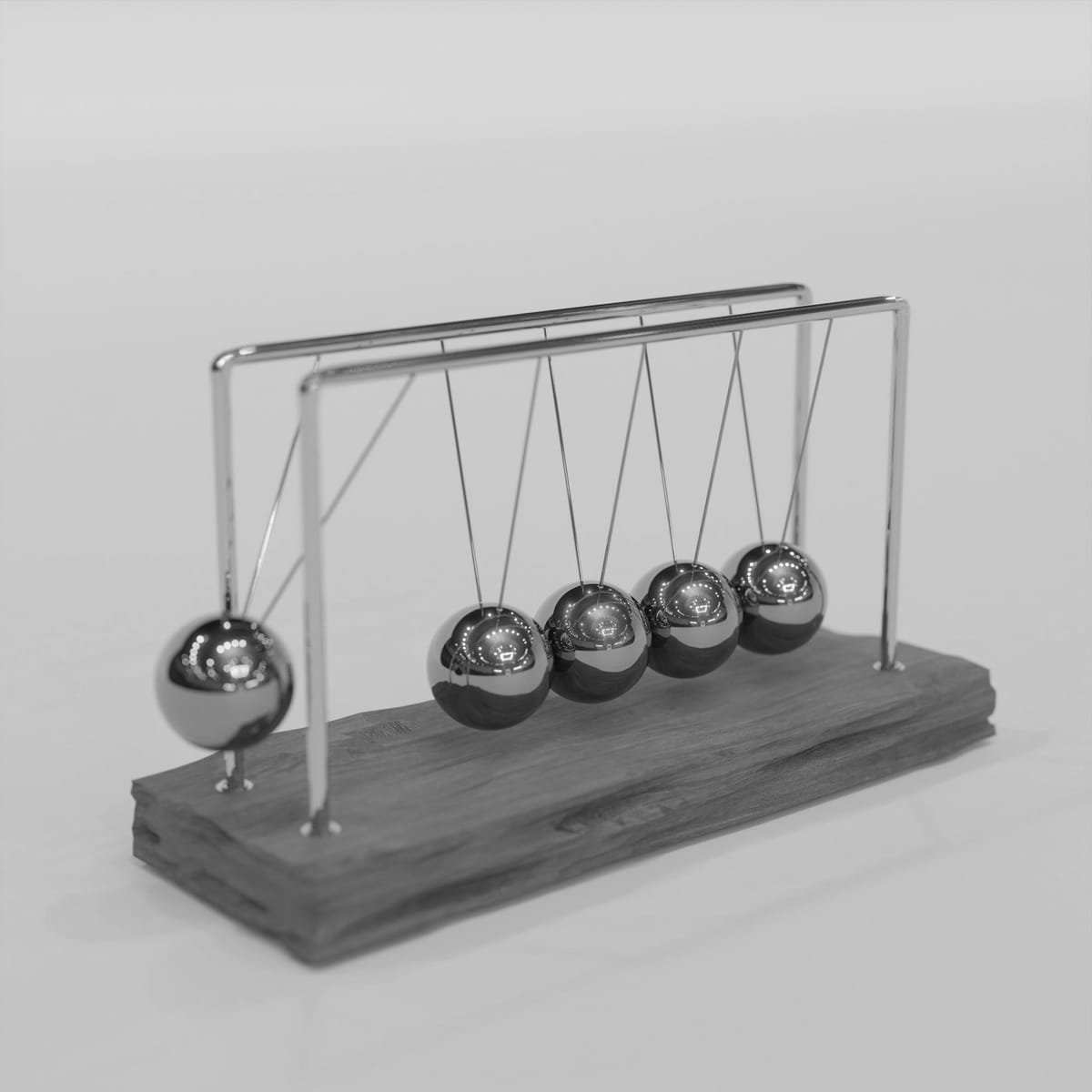
As a computer engineering student at the University of Waterloo, I’m currently navigating ECE 105: Classical Mechanics. While much of the content revisits Ontario’s Grade 12 physics curriculum, the practice problems and exams present a notably steeper challenge. This course has earned a notorious reputation—it consistently posts the lowest midterm averages across all first-term ECE courses, leaving many students demoralized.
The Rush to Nowhere
University physics lectures move at breakneck speed. When students struggle with new concepts, they’re left with limited options: figure it out independently or seek help from teaching assistants who aren’t always available. The situation becomes particularly challenging for students arriving from educational systems where these foundational concepts weren’t covered—they find themselves simultaneously learning new material while racing against exam deadlines.
The Memorization Trap
Here’s what makes physics fundamentally different from most university courses: while chemistry, biology, and even engineering mathematics lean heavily on memorization, physics demands something else entirely. Every physics instructor I’ve encountered shares the same philosophy: “The only equation you need to remember is F=ma.”
Of course, this isn’t literally true—students must know formulas for energy, momentum, and wave mechanics to complete exams within time limits. But the underlying message is clear: physics should be about understanding systems, not memorizing solutions.
Consider elastic collisions between two objects. Most students instinctively memorize the velocity exchange formulas, while professors consistently discourage this approach, advocating instead for case-by-case analysis. This disconnect reveals a fundamental tension in how physics is taught versus how it’s tested.
Why Students Choose Shortcuts
The reality is stark: exams reward speed over understanding. When you have 50 minutes to solve five complex problems, methodical analysis becomes a luxury you can’t afford. Students who memorize formulas gain a clear advantage—not because they understand physics better, but because they can navigate the exam more efficiently.
This creates a perverse incentive structure. Physics problem-solving through genuine analysis becomes an IQ test under time pressure. Some students excel at rapid analytical thinking, but many others—who could solve these problems given adequate time—find themselves forced to choose between understanding and grades.
A Better Way Forward
The solution isn’t complicated, but it requires reimagining how we assess physics knowledge. Instead of rewarding formula application, we should structure evaluations to emphasize systematic thinking. Imagine a marking scheme that allocates points like this:
- 30% for system identification: Recognizing the relevant objects and forces
- 20% for visual representation: Creating accurate free-body diagrams and illustrations
- 30% for conceptual explanation: Articulating in words why and how the system behaves
- 20% for mathematical execution: Applying formulas to reach the numerical answer
This approach would make shortcuts through memorization insufficient. Students couldn’t achieve full marks simply by plugging numbers into equations—they’d need to demonstrate genuine understanding of the physical principles at play.
Crucially, such changes must be paired with realistic time allocations. There’s no value in testing analytical thinking if students must still race against the clock.
The Uncomfortable Truth
Despite these clear improvements, I’m skeptical we’ll see meaningful change. While I personally enjoy studying physics in my spare time, I recognize that most students have different interests and priorities. Without widespread demand for reform, professors have little incentive to restructure their courses.
The result? Physics remains trapped in its current form—simultaneously the most challenging and least engaging course of the term for many students. We’ve transformed a subject that should inspire curiosity about the natural world into a high-stakes memorization contest.
Until we’re willing to sacrifice some breadth of coverage for depth of understanding, and until we design assessments that reward thinking over speed, university physics will continue to feel less like an exploration of the universe’s fundamental principles and more like an academic obstacle course.
What’s been your experience with university physics? Have you found ways to maintain genuine understanding while meeting course requirements? I’d love to hear your thoughts in the comments.